

Why Today’s Teens Are More Anxious Than Ever
Feb 28 2026
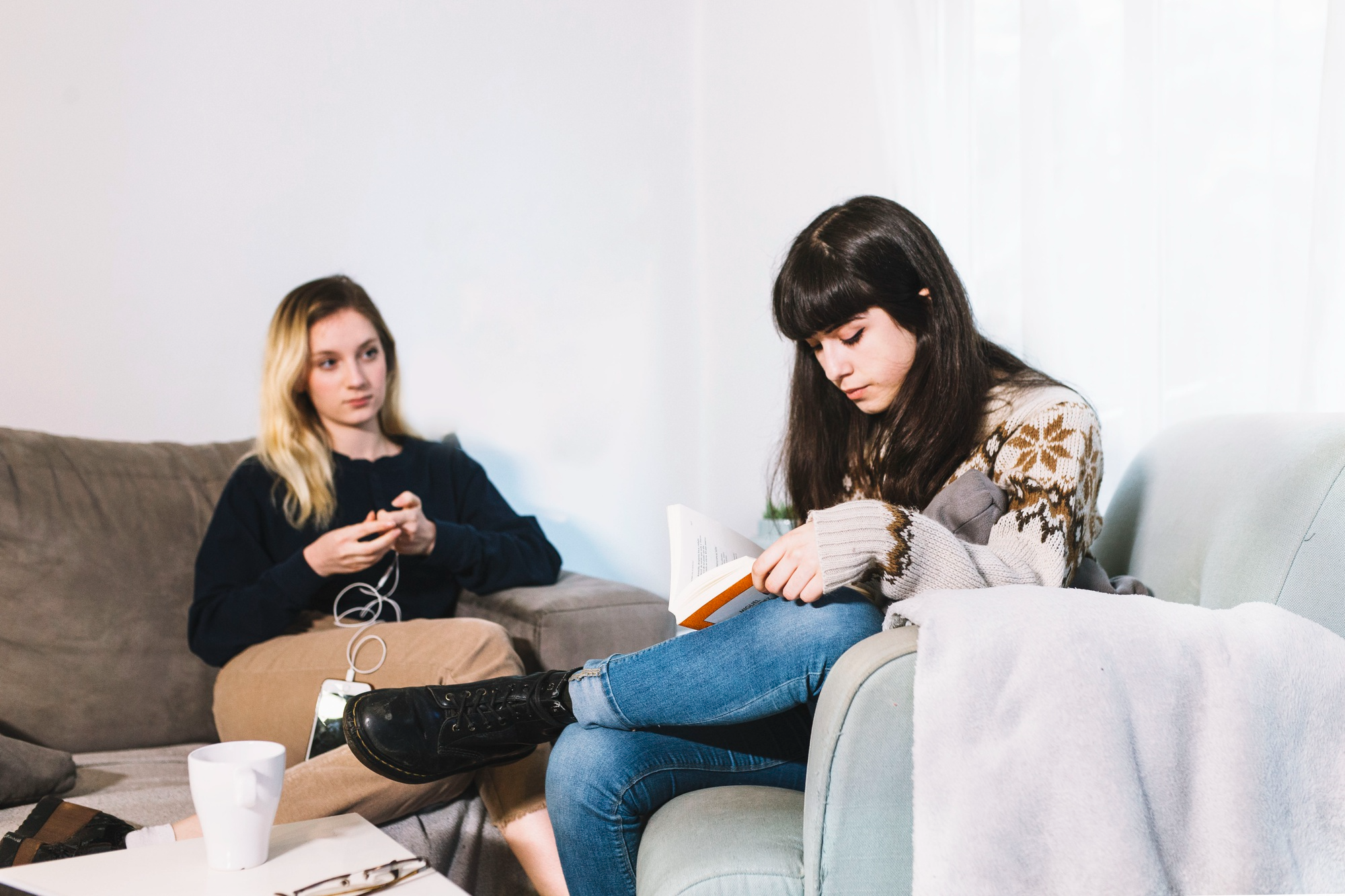
Anxiety among teenagers is not a new phenomenon, but the intensity and frequency seen today are unprecedented. Our youth grow up in an environment where the pressure to perform, fit in, and look perfect is relentless and digitized. Many parents find themselves searching for counseling for teens in Dublin, CA, because they notice their children withdrawing or reacting with extreme stress to everyday situations. It is no longer just about passing a math test; it is about managing a 24-hour social feedback loop that never offers a moment of true rest. Teenagers are constantly measured against impossible standards, leading to a persistent feeling of inadequacy. Such a weight is heavy for a developing mind to carry without professional support. Anxiety has shifted from a temporary state of nervousness to a chronic background noise that defines the lives of millions.
My clinical practice, Interactive Mind Counseling, focuses on providing evidence-based care to help young people manage these heavy emotional weights. I earned my doctorate (PSY.D.) in clinical psychology from the California School of Professional Psychologist (CSPP) at Alliant University. My academic foundation began at the University of California, Davis, and expanded during my training at Highland Hospital and John George Psychiatric Hospital.
Table of Contents
1. The Perpetual Gaze of Social Media
2. The Burden of Academic Excellence
3. Signs of Emotional Overload
4. Strategies for Rebuilding Teenage Resilience
5. Finding Stability in a Demanding Society
6. Frequently Asked Questions
7. Contact Interactive Mind Counseling
The Perpetual Gaze of Social Media
Digital environments create a persistent sense of being watched and judged by an invisible audience. Teenagers are no longer comparing themselves only to the kids in their neighborhood; they are comparing themselves to global influencers with professional lighting and filtered appearances. Such a dynamic creates a massive gap between their actual lives and an unattainable, artificial ideal. Constant notification pings keep their nervous systems in a state of high alert, mimicking a survival response.
Every post is a gamble for social currency, leading to intense feelings of rejection if the response is lukewarm or negative. Social media platforms are engineered to be addictive, making it difficult for teens to disconnect even when they recognize it makes them feel worse. Emotional regulation becomes nearly impossible when the brain is constantly flooded with dopamine spikes followed by cortisol crashes.
The Burden of Academic Excellence
Success is often presented to modern teens as a narrow, steep staircase where one slip leads to total professional ruin. Higher education requirements have become increasingly competitive, forcing students to specialize and excel at much younger ages than before. They spend their days moving from intensive classes to high-stakes extracurriculars without a moment for rest or reflection. Many families looking for counseling for teens in San Ramon, CA, notice that their children have lost the ability to enjoy hobbies for their own sake.
Activities are now viewed primarily as resume builders or potential scholarship opportunities rather than sources of joy. Such a goal-oriented existence leaves no space for the trial-and-error learning that builds true internal confidence. Anxiety flourishes when the cost of making a minor mistake feels catastrophic to a young person’s future.
Signs of Emotional Overload
Anxiety often disguises itself as physical illness before a teenager can put their complex feelings into words. Parents might notice a recurring cycle of morning stomachaches or a sudden increase in tension headaches. These are not mere excuses to miss school; they are genuine physiological responses to emotional overload and chronic stress.
● Muscular tension in the neck and shoulders from hours of hunched posture over mobile devices.
● Gastrointestinal issues that flare up specifically before big tests or anticipated social gatherings.
● Disrupted sleep cycles where the brain stays active and racing long after the lights are out.
● Changes in eating habits, such as skipping meals due to a "nervous stomach" or overeating for emotional comfort.
● Fatigue that persists even after a weekend, indicating a lack of deep, restorative mental rest.
● Frequent fidgeting or skin-picking as a subconscious way to release pent-up nervous energy.
● A weakened immune system that leads to more frequent colds or minor infections during high-stress periods.
Strategies for Rebuilding Teenage Resilience
Rebuilding a sense of safety starts with creating clear boundaries that protect the teen’s mental and emotional space. Parents can lead by example by putting their own devices away and prioritizing face-to-face interaction during family time.
● Establish a "digital sunset" where all devices are placed in a common area an hour before bedtime.
● Focus on the effort and character shown during a task rather than just the final grades or trophies.
● Encourage activities that have no specific "point" other than pure enjoyment, like drawing or hiking.
● Practice active listening where you repeat back what they say without immediately jumping to find solutions.
● Normalize the experience of failure as a necessary and valuable part of the human process.
● Keep communication lines open by remaining a calm, non-judgmental presence when they are struggling.
● Teach grounding techniques, such as deep breathing, to help them stay present during moments of high stress.
Finding Stability in a Demanding Society
Developing a healthy identity requires a teenager to separate their inherent worth from their external achievements. We must teach them that their value is not something they have to earn every single day through productivity or social status. Counseling offers a neutral, secure space where they can unpack these immense pressures without fear of disappointing their parents or peers.
Learning to name and manage their emotions gives them a sense of power over their internal environment. A teenager who knows how to navigate their anxiety is a teenager who can thrive in any setting, regardless of the pressure. Success is not about the total absence of stress but the ability to move through it with grace and self-awareness. Investing in counseling for teens in San Ramon, CA, provides the tools necessary for a lifetime of mental wellness and resilience.
Frequently Asked Questions
How does counseling for teens in San Ramon, CA, address social media stress?
Therapy helps teens develop a critical eye toward the digital content they consume and its emotional impact. We work on building self-esteem that is rooted in real-life achievements rather than online validation.
What should I expect from counseling for teens in Dublin, CA?
Sessions focus on identifying specific triggers and developing practical coping mechanisms to manage daily anxiety. I provide a supportive environment where teens feel safe to share their struggles and build emotional strength.
Can therapy help my teen improve their focus and school performance?
Reducing the background noise of anxiety often naturally leads to better concentration and improved academic outcomes. When the brain is no longer in "survival mode," it can dedicate more resources to learning and memory.
How long will my teenager need to attend sessions?
The duration varies based on the individual needs and the severity of the anxiety being addressed. Many families see positive shifts in mood and behavior within the first few months of consistent care.
Contact Interactive Mind Counseling
Emotional health is a critical prerequisite for your adolescent’s long-term achievements and overall stability. By utilizing both online and offline session formats, I provide flexible therapeutic support that respects your family's time and commitments. If your teenager is currently finding it difficult to navigate modern stressors, please reach out to discuss professional strategies that can help restore their balance.
Email: Info@InteractiveMindCounseling.com
Call/Text: 1-650-830-9135
Northern California Locations:
Lower Pacific Heights SF: 2211 Post St Ste 300-305, San Francisco, CA 94115
Peninsula: 120B Santa Margarita Ave, Ste 211, Menlo Park, CA 94025
Southern California Location:
West LA: 12100 Wilshire Blvd, Ste 800, Los Angeles, CA 90025